Introduction
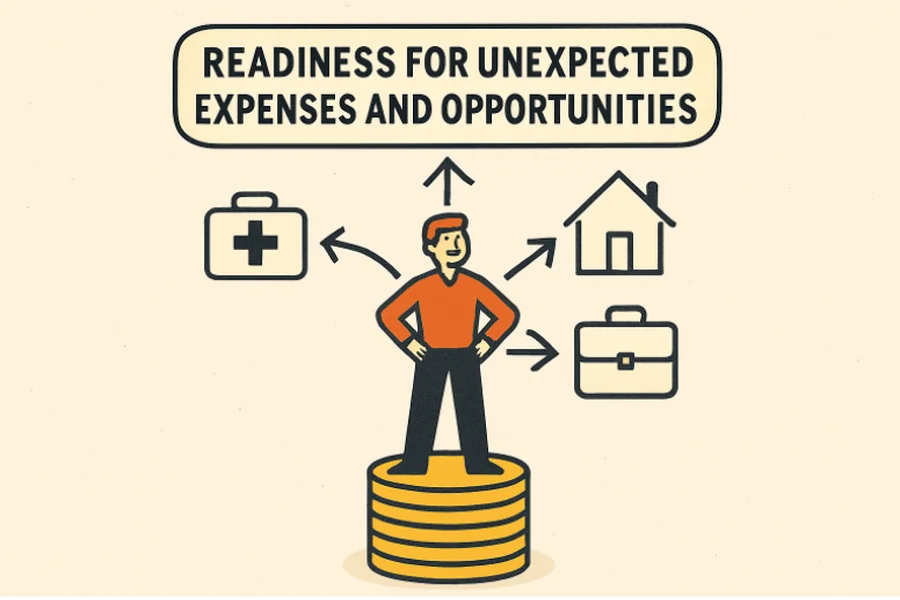
Financial flexibility is adapting your finances to unexpected expenses and capitalizing on new opportunities without negatively impacting your overall financial health. In an unpredictable world—where medical emergencies, job transitions, or other life surprises are common—having easy access to funds and a solid financial plan can help weather difficult situations and reduce stress. For example, flexible borrowing options from sources like MaxLend provide quick access to funds when needed most, helping you maintain stability in uncertain moments and allowing you to act on new opportunities as they arise.
Financial flexibility isn’t just about surviving; it’s about thriving in your everyday life. It means building resilience and confidence, so you can focus on what matters most without the burden of constant financial worry.
Understanding Financial Flexibility
Financial flexibility is the capacity to efficiently respond to unexpected circumstances and opportunities that affect your finances. This flexibility comes from maintaining easy access to resources, such as cash savings, emergency lines of credit, or investments that can be quickly liquidated. It also involves having effective strategies to reduce risk—such as proper insurance coverage and a budget that leaves room for unexpected scenarios. Financial flexibility creates a foundation of economic stability that empowers you to handle uncertainty with minimal disruption to your daily routine.
Benefits of Financial Flexibility
Embracing financial flexibility unlocks a host of practical and emotional advantages:
- Reduced Financial Stress: Knowing you have a financial cushion to fall back on can temper anxiety about the unknown and give you peace of mind.
- Opportunity Seizure: When resources are easily accessible, you can take advantage of sudden chances, like investing in a business or making a down payment on a new home, without scrambling for funds.
- Healthier Well-Being: Financial security is key in reducing stress-related health problems, allowing you to focus on relationships, work, and personal pursuits.
Strategies to Enhance Financial Flexibility
Practical steps can help you build financial flexibility, ensuring you have what you need when you need it most. Consider implementing the following strategies:
- Build an Emergency Fund: Setting aside three to six months’ living expenses in a separate savings account provides a safety net for unexpected costs like medical bills or car repairs.
- Diversify Income Streams: Relying on multiple sources of income—such as side hustles, freelance work, or passive investments—reduces dependency on a single job and cushions you against setbacks.
- Manage Debt Wisely: Focus on paying off high-interest debts first, avoid unnecessary new debts, and keep credit utilization low for greater borrowing power in emergencies.
- Invest with Caution: A well-diversified investment portfolio balances risk and reward, helping weather market fluctuations without jeopardizing your financial base.
The Role of Emergency Funds
An emergency fund is the cornerstone of financial security and flexibility. Typically held in a separate, easily accessible account, this fund is designed to cover unexpected expenses such as medical emergencies, job loss, or urgent home repairs. Financial experts emphasize that having a safety net in place helps you avoid high-interest debt or the need to liquidate important investments. Even starting with a small amount can make a difference. Setting a clear savings goal builds long-term resilience and peace of mind. For added financial support during tough times, you can also apply online for a MaxLend loan—a quick solution that helps bridge gaps while you grow your emergency fund.
Diversifying Income Streams
In today’s gig economy, relying on a sole paycheck can put your financial stability at risk. By creating additional income streams—through consulting, online business ventures, or rental properties—you add layers of security against unexpected loss of income. According to experts at The Balance, diversifying your income means you’re less likely to be caught off-guard by layoffs or financial downturns, and more likely to have extra cash to invest or save for future goals.
Impact on Mental Health
Financial stress is a leading source of anxiety for many adults. Prolonged worry over money can lead to chronic stress, depression, and even physical health issues. NPR reports that taking control of your finances—and focusing on strategies that build flexibility—can significantly improve your mental well-being. By giving yourself breathing room and being proactive about savings, debt, and income sources, you reduce anxiety and open up space for optimism and resilience.
Conclusion
Financial flexibility is more than a safeguard—it’s a tool for empowerment in daily life. Building an emergency fund, creating multiple income streams, and managing debt proactively help you gain confidence, secure stability, and embrace new opportunities. By fostering financial flexibility, you allow yourself to handle the unexpected calmly, focus on what matters, and enhance your overall well-being, as highlighted by eeetimes.
