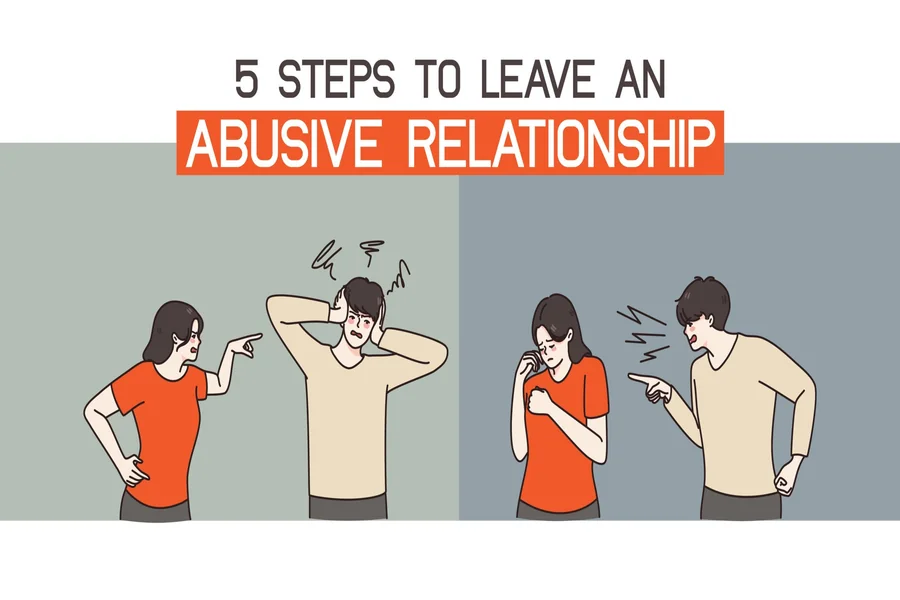
Leaving a toxic relationship requires careful planning and support. First, recognize the need for change and prioritize your safety. It’s crucial to connect with professionals who understand your situation. A domestic violence attorney can guide you through the legal maze, ensuring your rights are protected. Seeking legal advice early helps you make informed decisions about restraining orders or custody arrangements. Emotional support is also essential. Reach out to trusted individuals who can offer a listening ear and practical help. Documenting incidents will strengthen your case if legal action is necessary. You should collect evidence like messages and photos. Also, consider changing passwords and securing personal documents. These steps lay a foundation for a safer future. You deserve to move forward without fear. Remember, you are not alone. Many have walked this path and found peace on the other side. Take one step at a time, and prioritize your well-being.
Understanding Restraining Orders
One of the most effective legal tools available is a restraining order. It provides a legal way to keep your abuser away. By understanding the types, you can choose the one that fits your situation. There are temporary and permanent restraining orders. A temporary order can be obtained quickly, typically with little notice to your abuser, providing immediate protection.
| Type of Restraining Order | Duration | Purpose |
|---|---|---|
| Temporary | Up to 30 days | Immediate safety |
| Permanent | Several years | Long-term protection |
Custody and Child Support Considerations
If children are involved, legal steps concerning custody and support are critical. You need a clear understanding of your rights and responsibilities. Legal advice will guide you through creating a parenting plan that prioritizes your child’s safety and well-being. Consider the child’s schooling, healthcare, and emotional needs. Filing for custody can include supervised visitation if necessary. Make sure to document any incidents that show the need for such measures.
Property and Financial Matters
Property division can be complex. Understanding your legal rights regarding shared assets is crucial. Gathering financial documents will prepare you for negotiations. Know what belongs to you. If your partner controls finances, navigate this step carefully. You might need to open a new bank account in your name. Protecting your credit is essential. Request a credit report to check for debts or accounts you may not recognize.
Creating a Safety Plan
A well-thought-out safety plan will prepare you to leave safely. This plan should include:
- Identifying safe places to go
- Arranging transportation
- Having emergency contacts
Practice your plan. Know where and how to seek help quickly. The National Domestic Violence Hotline is available 24/7 to provide support and resources.
Legal Aid and Support Services
If legal fees are a concern, seek organizations that offer assistance. Many legal aid societies provide free or low-cost services to those in need. These organizations help with filing paperwork and court representation. Local support groups can offer practical emotional assistance. Surround yourself with people who believe in your strength and courage during this transition.
Moving Forward
Leaving a toxic relationship is challenging, but you are not alone. By taking these legal steps, you gain control over your future. Each step you take moves you closer to safety and healing. Focus on your goals, one day at a time. With the right legal guidance and emotional support, you can create a life free from fear. Rediscover peace and strength in your new journey—finding inspiration in creative platforms like bloxfun along the way.
